Self-constitution
Let’s Simply Do It
The UNITED PEOPLE ORGANIZATION must constitute itself. It cannot be founded by existing institutions or distinguished bodies, nor does it require their approval.
We, the ordinary citizens of the world, will find a way to build it ourselves, democratically and from the ground up.
With the UPO, we create the opportunity to become part of a democratic global community beyond national political systems and to play an active role in shaping the future of our world.
Throughout this process of self-constitution, the form of the UPO proposed here will itself remain open to discussion: its name, its framework, its structures, and its procedures. Self-constitution means that the implementation is open to debate, while the fundamental principles of a democratic global civil society are not.


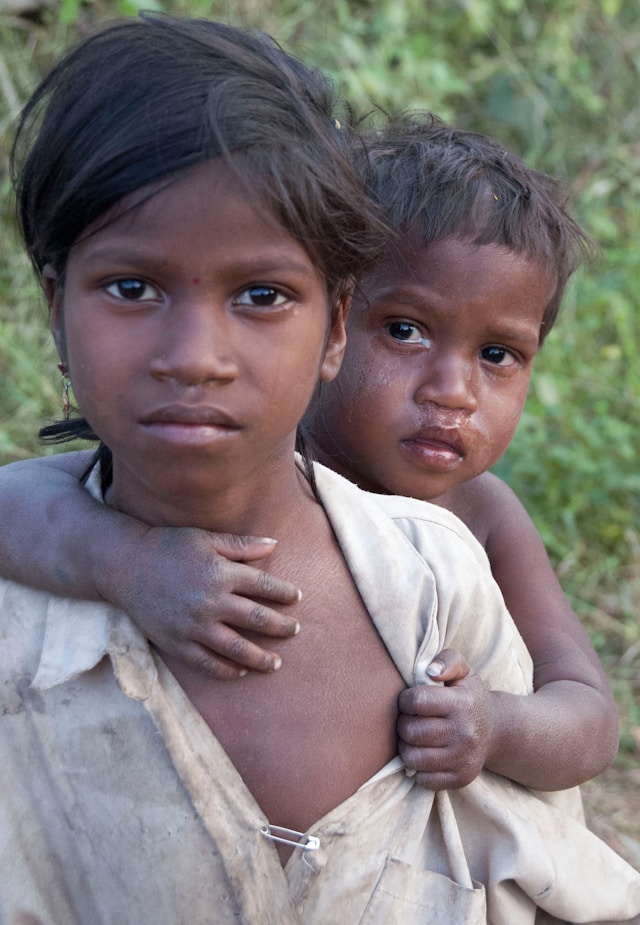
If we don’t do the impossible, we will be faced with the unthinkable.
Petra Kelly
Milestones
Steps Towards the Founding, Practical and Concrete
1.
Making the Idea Public
The first step is to present the idea worldwide, in multiple languages and through a variety of media,
- to make the vision of the UPO accessible,
- to gather feedback from people around the world,
- to invite global citizens to register.
This phase measures the public resonance of the idea and assesses whether there is sufficient public support to move forward.
2.
Registration
With every registration, the first democratic foundation of the UPO grows. Registered citizens
- express their support for the creation of the UPO
- make visible how the idea is being received around the world,
- and help lay the foundation for the next steps.
With one million registered citizens, we have laid the groundwork to continue building on this foundation.
3.
Formation of a Start-up Group
Once one million provisional registrations have been reached, a Start-up Group composed of qualified individuals from different regions of the world will be formed. This group will take on a facilitating role in the founding process. Its responsibilities include:
- securing the necessary funding,
- ensuring that an appropriate, secure, and reliable digital platform is developed for the organization,
- preparing the Founding Assembly,
- ensuring that transparency and broad participation are maintained throughout the process.
The Start-up Group is not a governing body and does not make substantive decisions about the future direction of the UPO. Its role is to facilitate and enable the democratic founding process, not to determine its outcome.
4.
Founding Assembly
In a hybrid (online and in person) assembly of the provisional citizens, the first prototype version of the UPO will be formally constituted. During this phase, among other things:
- the fundamental structures will be discussed and adopted,
- the first statutes and guiding principles will be approved,
- transitional bodies will be established,
- and the next steps in the democratic development of the organization will be defined.
The Founding Assembly marks the transition from an idea to an operational organization.

Your voice matters!
Whether the UPO comes to life depends on you, too.


Digital platform
A Space for Direct Democratic Participation
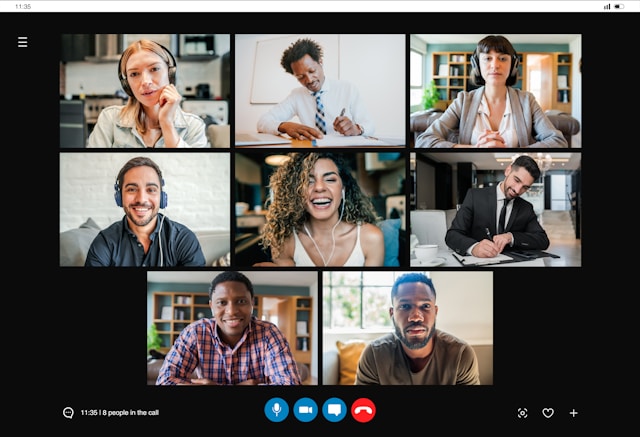
An essential part of the founding process is the creation of a digital platform for the citizens of the UPO. This platform will become one of the key pillars supporting the organization’s direct democratic processes. It will provide the technical infrastructure needed to enable and sustain the UPO’s activities.
Its main priority must be to guarantee the highest standards of data protection and privacy while preventing all forms of misuse through a secure and reliable system.
The platform must include various sections:
*
Elections and Voting
A dedicated section for conducting all official referendums as well as elections to the Parliament and the Council.
*
Community Hub
A topic-based forum where users can connect directly with communities of people who share similar interests and fields of action. It can also serve as a space for citizens to mobilize other citizens around specific global issues and initiatives.
*
Information
A section dedicated to communicating the results of elections and referendums, providing access to a library of parliamentary records and documentation, and potentially offering a video channel where Parliament sessions can be watched live or on demand.
*
Citizens’ Initiatives
This section enables citizens to launch initiatives. In this way, ideas and concerns emerging from citizens around the world can, with sufficient public support, become subjects for global referendums and democratic decision-making.



Financing
By the Citizens
For the initial phase, a large-scale crowdfunding campaign offers an ideal way to raise the necessary resources while introducing the idea to a broad public and actively involving people in the founding process.
Once the UPO has been established, the most direct and transparent form of funding could come from membership contributions, with the amount determined on a solidarity basis according to each member’s individual circumstances and ability to contribute.
In addition, unconditional donations and legacies from private individuals, as well as grants from charitable foundations, may provide further financial support.
To safeguard its independence, the UPO will not accept funding from corporations, political parties, governments, or religious institutions.
Uncharted territory
Open and Honest
Does the idea of the UPO resonate with you?
Is it time for a democratic organization of humanity?
Only the response of people around the world can answer these questions.
If the spark of the UPO catches fire and grows into a global movement, we will have to discover together how to turn this vision into reality.
If, on the other hand, the spark fades without igniting, the idea will simply return to the great recycling ground of human creativity, where it may become fertile soil for new ideas to emerge.